
Stewardship
Responsible stewardship matters to us because trust lands need to generate revenue not only for today's students, but also for future generations of schoolchildren. In 1996, the passage of Amendment 16 to the state Constitution by Colorado voters established a new emphasis on how our agency carries out our mission. Amendment 16 directed the Board to produce reasonable and consistent income over time while ensuring long-term productivity and sound stewardship of state trust lands.
The State Land Board uses several tools to responsibly manage important natural values on state trust land.
✔ STEWARDSHIP TRUST
✔ STEWARDSHIP ACTION PLANS (SAPs)
✔ LEASE STIPULATIONS
✔ COLORADO DESIGNATED NATURAL AREAS
✔ ASSET MANAGEMENT PLANS
✔ ADAPTIVE GRAZING
✔ BIODIVERSITY PROJECTS
We use these tools to protect important natural values and natural resources on state trust land. None of the tools inhibit our agency’s ability to generate revenue for our beneficiaries. Our Commissioners strive to find a balance between stewarding the land for the benefit of future trust beneficiaries while also earning income today.
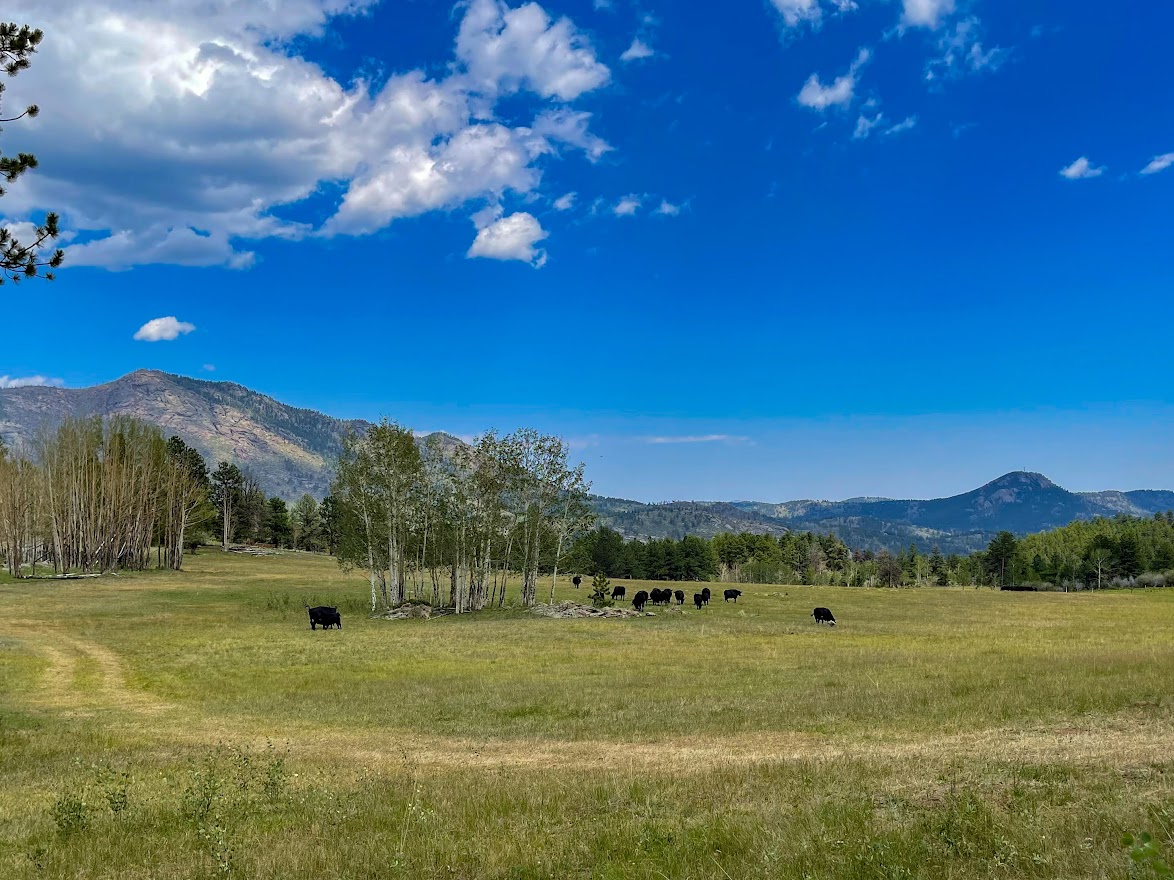
Project Spotlight: Grassy Mountain Shared Stewardship Project
The National Forest Foundation, in partnership with the U.S. Forest Service, Bureau of Land Management, Colorado State Forest Service, and Colorado State Land Board, are collaborating on a three-year project to create a fire break on 638 acres of public lands on Grassy Mountain, north of Bayfield, CO. The fire break is designed to reduce wildfire hazard and risk within the surrounding communities, while decreasing potential harm to the watershed and protecting recreational opportunities.
About 1,200 homes make up the Forest Lakes Metro District near the Grassy Mountain project area. It’s a heavily populated neighborhood in the wildlife-urban interface that could face heavy losses in the event of a wildfire. This project to reduce the amount of quick-to-ignite vegetation and ladder fuels — such as shrub species like Gambel oak and small, dense trees like white fir — is essential to reduce the risk of wildfire. The Grassy Mountain project will also improve recreation opportunities such as hiking, hunting, camping and wildlife viewing that many residents enjoy.
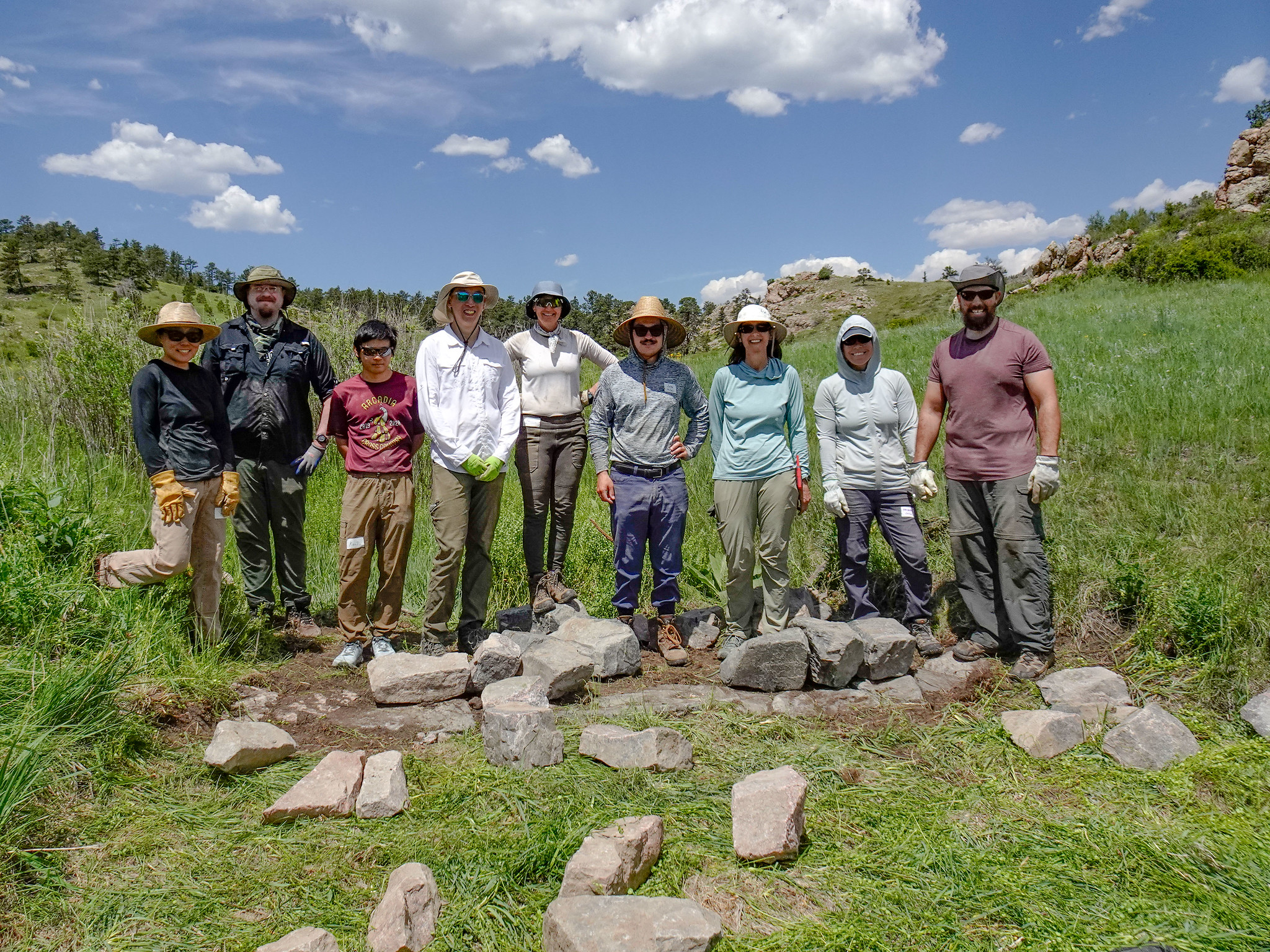
Project Spotlight: Meadow Creek Wet Meadow Restoration Project
The State Land Board partnered with Wildlands Restoration Volunteers (WRV) to design and implement a wet meadow restoration project on the Cherokee Park - Meadow Creek property.
The project has two primary objectives: to address wet meadow erosion issues on a tributary to Meadow Creek (which flows to Halligan Reservoir) and to provide a training opportunity for WRV crew leaders in process-based-restoration techniques. These techniques have been used throughout the west to preserve and restore important habitats.
Learn more and check out the storymap created by WRV.
We use a suite of tools to enhance stewardship outcomes on state trust lands:
Our mission
We are guided by our Constitutional mission and four bold goals laid out in our 2026 Strategic Plan.
One of these goals is about real property stewardship: to protect and enhance the long-term economic value of the trust’s physical assets: land, water, commercial real estate, and mineral estate.
Defining stewardship
We know that the term stewardship can mean a number of things to different people.
Our agency defines stewardship as "an ethic that embodies the responsible planning and management of resources." Read our strategic plan for other operating definitions.
Earning revenue
We earn money from leases and we expect all lessees to be good stewards of trust land. If stewardship lease stipulations aren't met, the lease may be terminated. Likewise, trust land designated into the Stewardship Trust is still expected to generate revenue from leases.